
Date
Mr. Mekki El Mograbi, Media Consultant and Head, International Relations, Sudan Centre for Thinktanks and Strategic Studies, Khartoum, Sudan, visited ICPS on 28 March 2023 and interacted with the scholars.


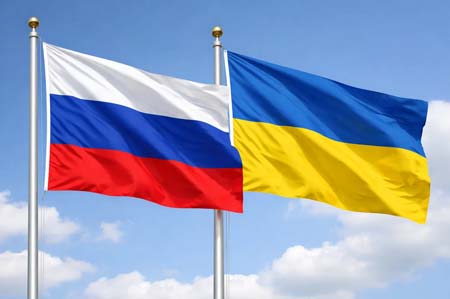
Russia’s intensified strikes on Odessa highlight its bid to neutralise Ukraine’s maritime lifeline and assert dominance in the Black Sea. Rooted in historical claims and NATO security fears, Moscow’s campaign threatens Ukraine’s economy, global food security, and regional stability, while exposing the limits of international institutions.
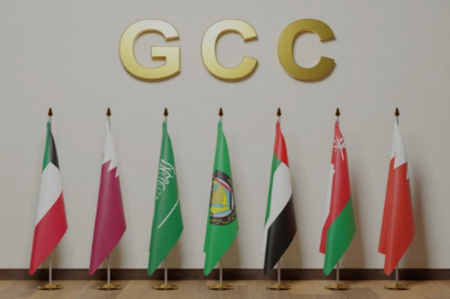
This Issue Brief analyses the structural limitations of the Gulf security framework in light of Israel’s unprecedented attack in Doha on 9 September, targeting Palestinian Hamas leadership. While the attack marked a dangerous escalation of Tel Aviv’s regional adventurism, it also exposed the enduring structural weaknesses of the Gulf’s security architecture which has been defined by entrenched dependency on the United States.
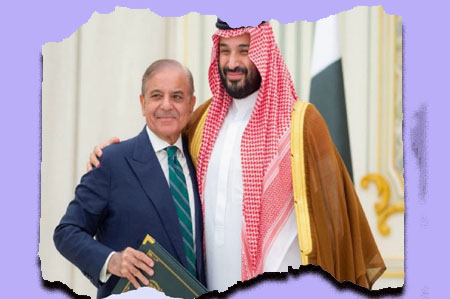
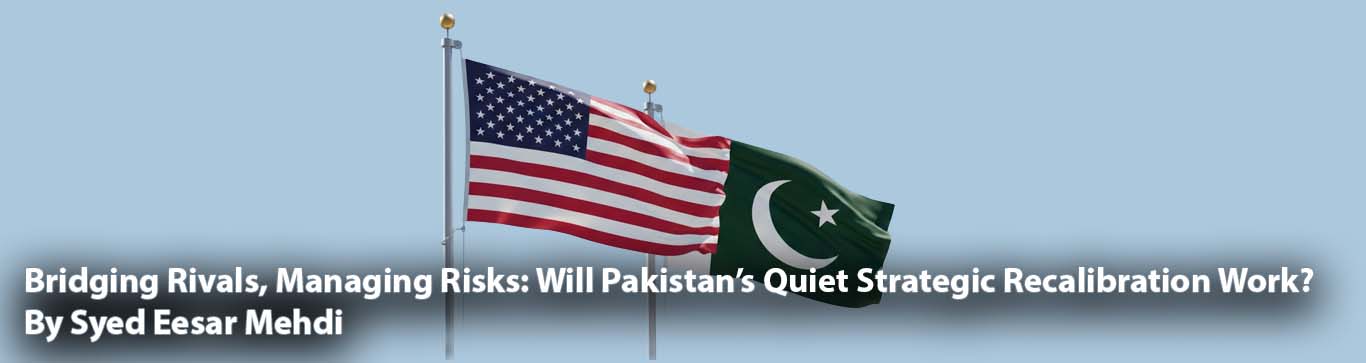
This issue brief explores whether Pakistan can evolve from a traditional “security contractor” into West Asia’s net security stabiliser. The September 17, 2025, Saudi-Pakistan Strategic Mutual Defence Agreement marks a pivotal moment, formalising decades of military cooperation between the two countries. Historically, Pakistan has trained Gulf forces, guarded monarchies, and provided military personnel, often in transactional arrangements....
Mr. Mekki El Mograbi, Media Consultant and Head, International Relations, Sudan Centre for Thinktanks and Strategic Studies, Khartoum, Sudan, visited ICPS on 28 March 2023 and interacted with the scholars.
Dr Aleksei Zakharov, Research Fellow, Higher School of Economics (HSE), Moscow interacted with the researchers at ICPS on 17 March 2023. There was a free exchange of views on the evolving political and security situation in the Eurasian region including Afghanistan.
Andreas Mountzouroulias. @andreasmoun, Editor in chief of directus.gr visited ICPS on 10 March 2023, Friday, and interacted with the researchers.
Marco Respinti, Director-in-Charge, Bitter Winter, visited International Centre for Peace Studies (ICPS) on 14 December 2022 and interacted with the scholars of the Centre.
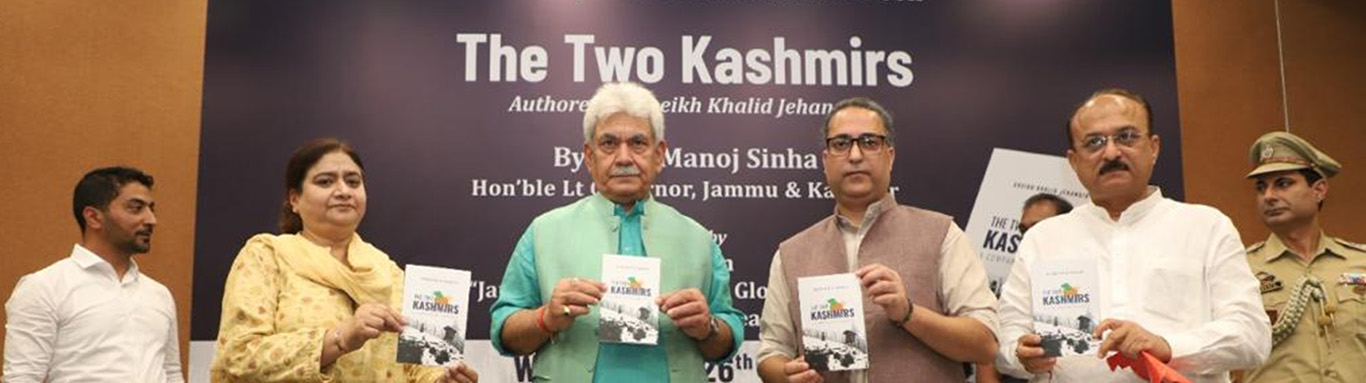
On the occasion of Kashmir Accession Day International Centre for Peace Studies (ICPS)
organised Book Launch of The Two Kashmirs authored by Sheikh Khalid Jehangir
ICPS organised a talk by Umit Alperen, Director of the Centre for Asia-Pasific Studies at the Suleyman Demirel University, Turkey on 02 September 2022. He focussed on Turkey's foreign policy in general and also its relations with India, Pakistan and Afghanistan.


Comments
Bab el-Mandeb as the Next Possible Flashpoint: IMEC’s Role as a Strategic Hedge
Anubhuti Jain
Amid continuing US/Israel–Iran tensions, the Bab el-Mandeb Strait emerges as a new flashpoint threatening global trade, energy, and digital flows. India’s India–Middle East–Europe Economic Corridor (IMEC) offers a strategic hedge to mitigate these maritime risks.
From the Archives: Baluchistan and The Partition of India: The Forgotten Story
Baren Ray
This occasional paper examines Balochistan’s struggle for autonomy, from British colonial “Sandemanisation” to its forced 1948 accession to Pakistan. By highlighting the suppression of Kalat’s independence and the exploitation of regional resources, Ray illustrates how systemic marginalisation transformed a secular identity movement into an enduring conflict against centralised state authority.
Understanding Kargil’s Iran Connection
Zainab Akhter
Deeply rooted in 15th-century missionary history , Kargil has religious and cultural ties with Iran. The recent spontaneous popular response to Ayatollah Khamenei’s death shows the abiding spiritual and political contact between the people of Kargil and Iran.
A Remarkable Reset in India-Bangladesh Ties: The Pragmatism of Tariq Rahman
Imran Khurshid
From strategic drift to a cautious reset, India–Bangladesh ties are entering a new phase after a turbulent period. Tariq Rahman’s leadership is redefining bilateral engagement through pragmatism, balance, and renewed trust.