
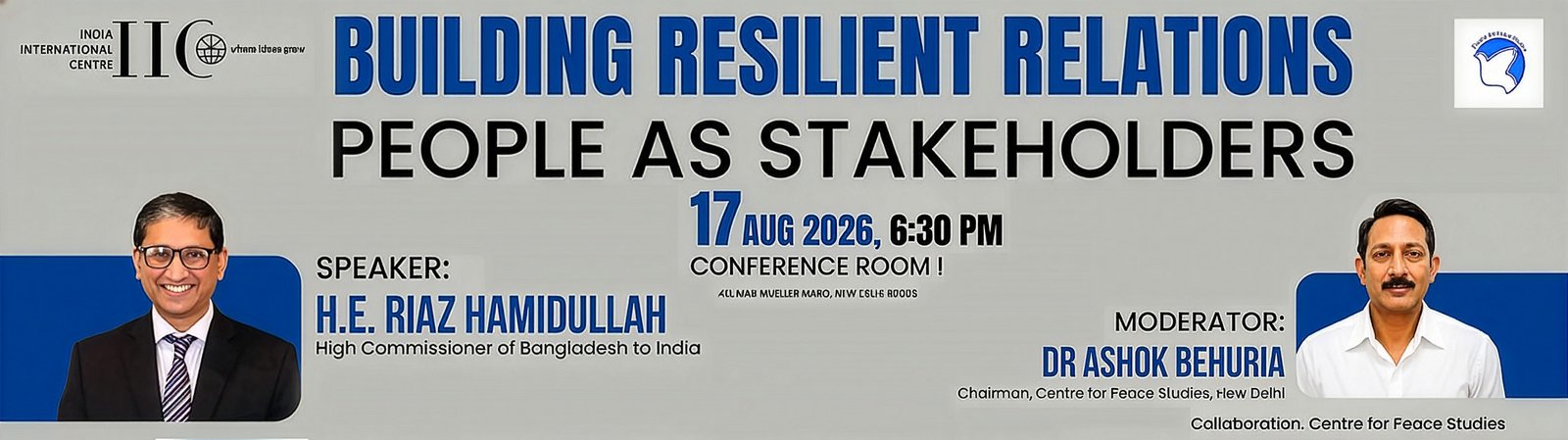
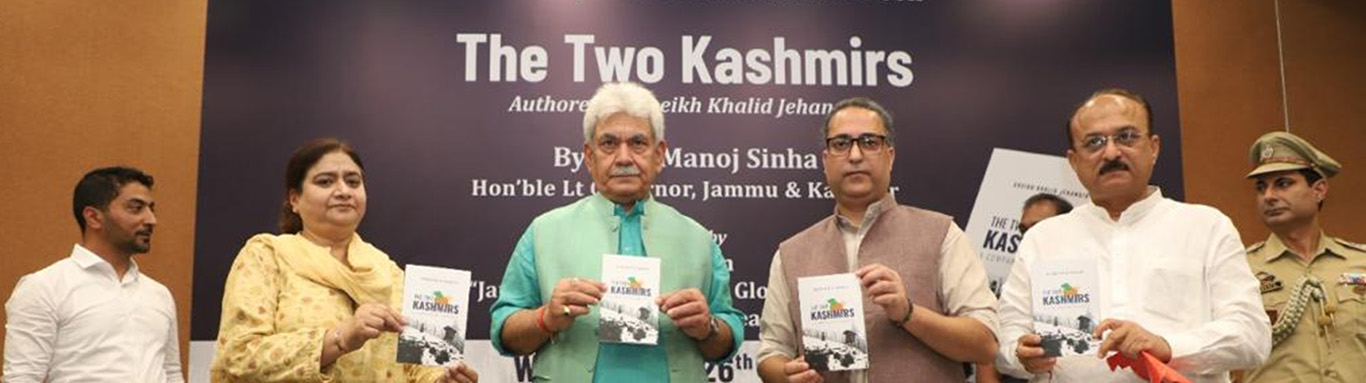


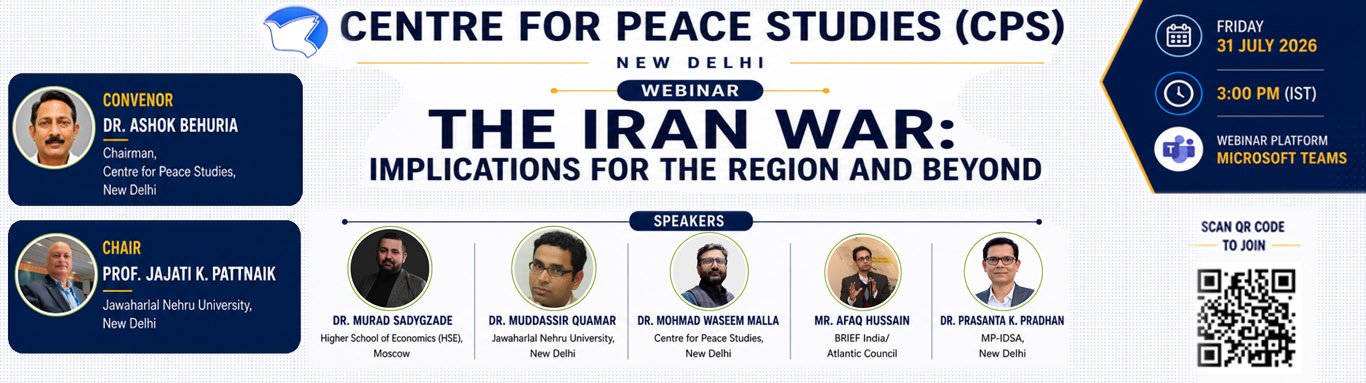
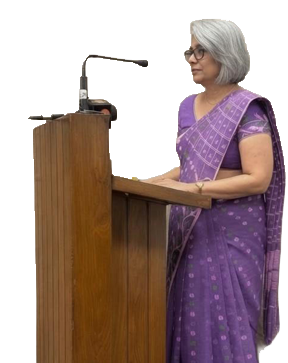
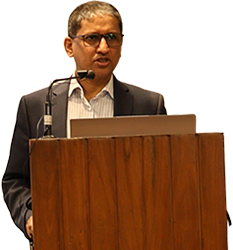
 As part of the CPS Peace Dialogue, the Centre for Peace Studies (CPS), in collaboration with the India International Centre (IIC), organised a special talk by H.E. Riaz Hamidullah, High Commissioner of Bangladesh to India, on 17 August 2026 at the India International Centre, New Delhi.


Comments
India’s Quest for UN Security Council Permanent Membership: Rationale, Challenges, and Future Directions
Mohammed Badrul Alam
India’s claim to permanent membership of the UN Security Council reflects wider concerns about the Council’s representativeness and legitimacy. As a founding member, India has contributed to UN peacekeeping missions, disarmament efforts and multilateral cooperation.
Shubho Bijoya: The Goddess We Worship, the Woman We Diminish
Tejusvi Shukla
A civilisation that names power itself in the feminine must ask why it still so often imagines its women as fragile.
Pakistan's Perilous Path: Security, Economy and Political Turmoil
Muneeb Yousuf
Pakistan stands at a crossroads with economic fragility, domestic insurgencies, and escalating tensions with Afghanistan threatening stability. The nation's leadership faces profound challenges amid eroding stability and increasing public discontent.