
Issue Briefs

The Changing Contours of Pakistan-Afghanistan Relations
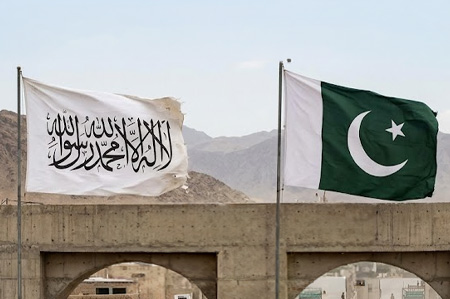
Once strategic allies, Pakistan and Afghanistan are now engaged in direct military conflict. Despite Chinese mediation, cross-border airstrikes and TTP militancy have pushed bilateral relations to an unprecedented historic low.
The Geopolitical Logic of the Ongoing Afghanistan–Pakistan War
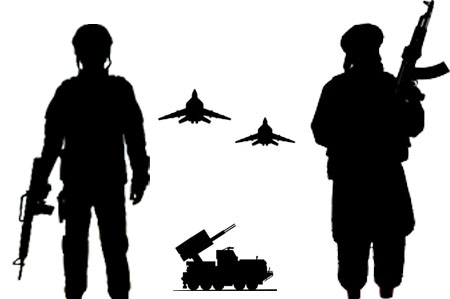
This Issue Brief examines how the Tehrik-e-Taliban Pakistan (TTP) evolved from a regional strategic asset into an autonomous insurgent threat, fuelling a cycle of blame and instability between Afghanistan and Pakistan.
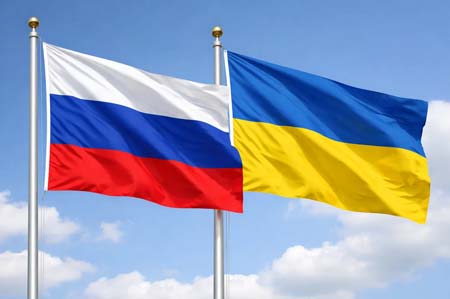
Russia’s Odessa Drive: Geopolitical Imperatives and Competing Visions
Russia’s intensified strikes on Odessa highlight its bid to neutralise Ukraine’s maritime lifeline and assert dominance in the Black Sea. Rooted in historical claims and NATO security fears, Moscow’s campaign threatens Ukraine’s economy, global food security, and regional stability, while exposing the limits of international institutions.
Books/Journals
You haven’t created any frontpage content yet.
Congratulations and welcome to the Drupal community.
Drupal is an open source platform for building amazing digital experiences. It’s made, used, taught, documented, and marketed by the Drupal community. Our community is made up of people from around the world with a shared set of values, collaborating together in a respectful manner. As we like to say:
Come for the code, stay for the community.
Get Started
There are a few ways to get started with Drupal:
- User Guide: Includes installing, administering, site building, and maintaining the content of a Drupal website.
- Create Content: Want to get right to work? Start adding content. Note: the information on this page will go away once you add content to your site. Read on and bookmark resources of interest.
- Extend Drupal: Drupal’s core software can be extended and customized in remarkable ways. Install additional functionality and change the look of your site using addons contributed by our community.
Next Steps
Bookmark these links to our active Drupal community groups and support resources.
- Global Training Days: Helpful information for evaluating Drupal as a framework and as a career path. Taught in your local language.
- Upcoming Events: Learn and connect with others at conferences and events held around the world.
- Community Page: List of key Drupal community groups with their own content.
- Get support and chat with the Drupal community on Slack or DrupalChat. When you’re looking for a solution to a problem, go to Drupal Answers on Stack Exchange.


Comments
Escalation and Uncertainty: How the Iran War is Reshaping West Asia
Md. Muddassir Quamar
Five months after US-Israeli strikes, the Iran conflict has expanded into a destabilising regional crisis, fracturing Gulf unity and threatening global energy security. Diplomatic resolution remains urgently needed.
The Bear and The Tiger in Close Embrace: Eight Decades of Time-Tested India-Russia Relations
Mohammed Badrul Alam
A comprehensive analysis of India-Russia relations spanning eight decades, examining their strategic partnership, trade agreements, cultural ties, and enduring cooperation while navigating contemporary geopolitical challenges and opportunities.
Pakistan’s Credit Upgrade: When Better Ratings Mask Economic Pain
Mohammed Shoaib Raza
Pakistan’s latest credit upgrade masks a deeper paradox: international confidence has improved, but ordinary citizens continue to bear the heavy economic costs of IMF-driven stabilisation and fiscal adjustment.