
Issue Briefs


The Disaster and After: Issues and Challenges in Nepal after the Bhote Koshi Floods
The 2026 Bhote Koshi flash flood devastated northern Nepal, highlighting severe transboundary early-warning lacunae. Prime Minister Balendra Shah framed the tragedy as a climate justice issue at the UN, calling for regional cooperation and non-repayable reconstruction aid.
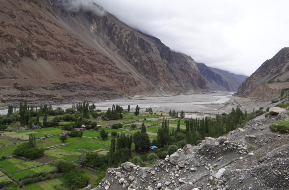
Voices of the Borderland: Identity, Heritage, and Representation of Balti Noorbakshias in Turtuk
Turtuk’s Noorbakshia Baltis navigate split borderland identities following 1971. Preserving their unique language and Sufi heritage, they now seek political representation, linguistic recognition, and balanced development within India.
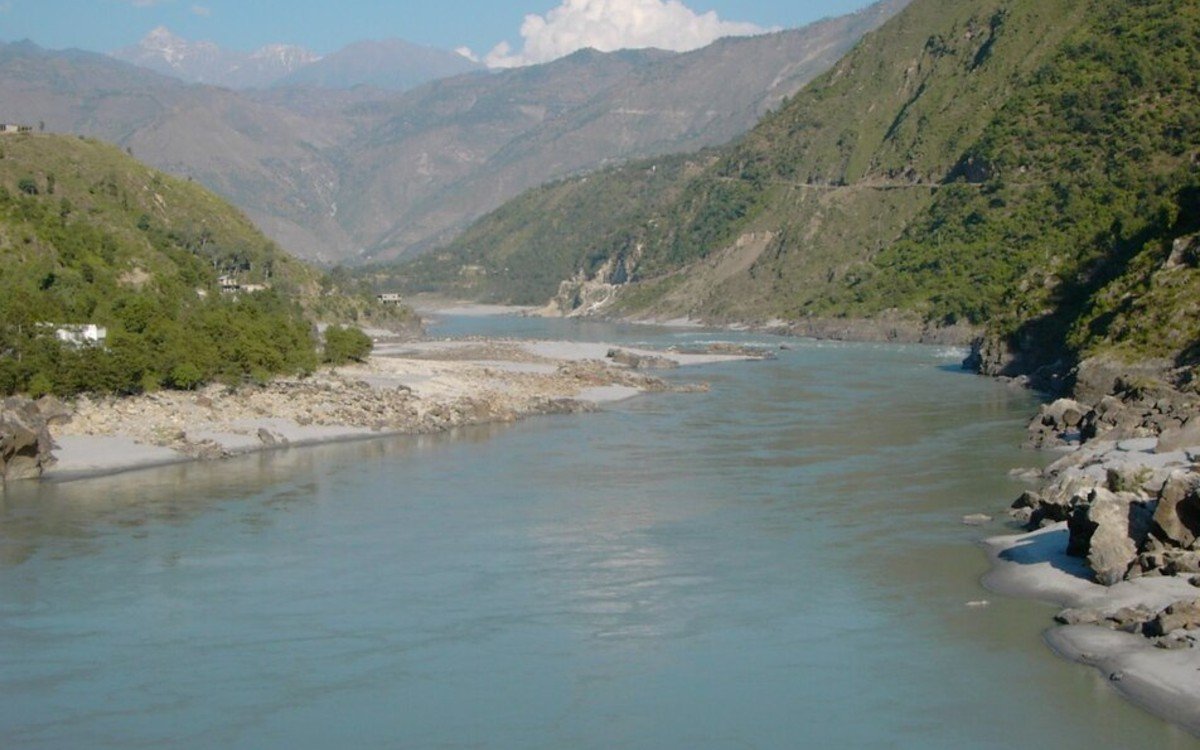
Strategic Essay: Indus Water Treaty in Abeyance: India, Pakistan and the Limits of Pacta Sunt Servanda
India’s suspension of the Indus Waters Treaty tests pacta sunt servanda. This paper analyses legal doctrines, arbitration limits, and security imperatives shaping India’s contested yet arguable stance on treaty abeyance.

The Saudi-Turkey-Pakistan Trilateral Security Partnership: Strategic Convergence and Regional Implications
The Makkah defence pact unites Saudi Arabia, Türkiye, and Pakistan in a collective-security framework. Symbolic yet strategically significant, it diversifies Gulf security, expands Ankara’s footprint, and boosts Islamabad’s relevance—reshaping regional alignments and complicating India’s strategic calculations.

From Disruption to Coercion: The Evolving Houthi Challenge in the Red Sea
Houthis have transformed Red Sea attacks into maritime coercion, leveraging Iran’s support but pursuing independent aims. Persistent insecurity looms, with dual chokepoint disruption posing severe risks to global trade and energy.

The Narrative Battlefield: Democratic Dissent in India and Information Warfare by Pakistan
As Pakistan faces mounting internal challenges, its information warfare apparatus is intensifying propaganda campaigns against India to divert attention from domestic crises. The battle over Kashmir is increasingly being fought not only on the ground but also in the realm of narratives and global perceptions.
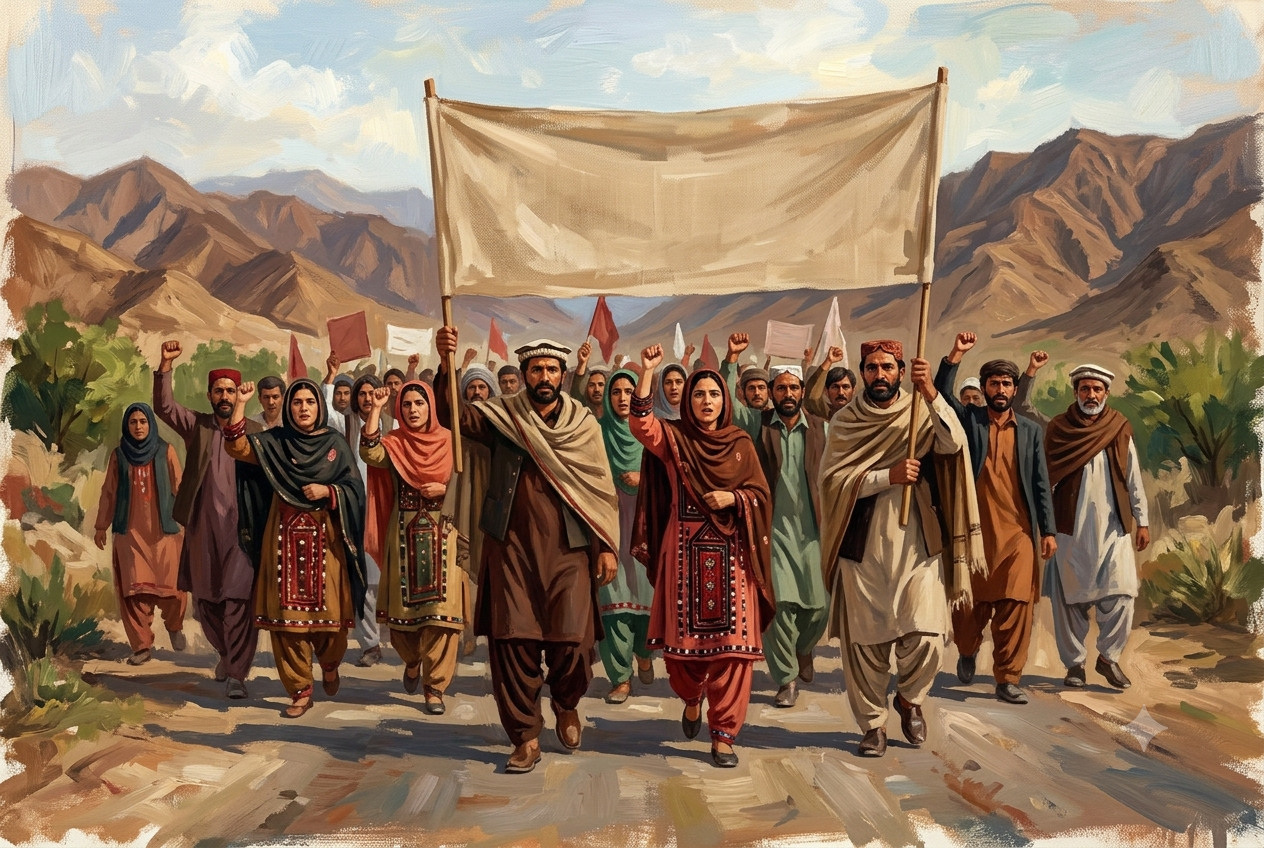
The Breaking Point in Balochistan: Failure of Pakistan’s Governance Model and Making of a Multi-Front Conflict
Balochistan has become the epicentre of Pakistan’s growing internal security crisis, where decades of militarisation, political alienation, and economic neglect have deepened instability. The failure to address governance and development challenges has transformed the province into a multi-front conflict zone.

Water, Terror, and Transborder Realities: Reassessing the Indus Waters Treaty
This issue brief analyses the strategic obsolescence of the 1960 Indus Waters Treaty against the backdrop of Pakistan's cross-border terrorism, severe climate stress, and domestic water mismanagement. It highlights the immense developmental costs borne by Jammu and Kashmir, justifying India’s decision to condition future hydro-cooperation on regional security and ecological realities.
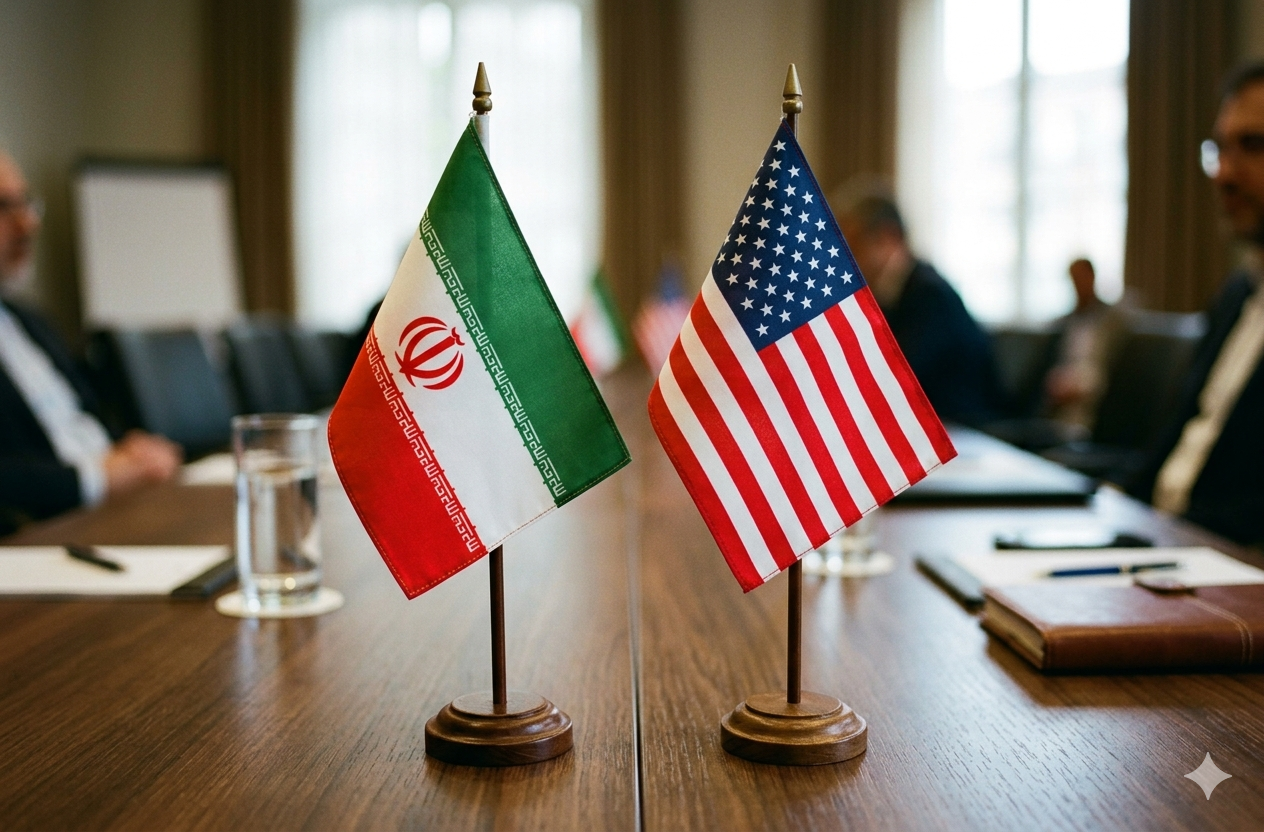
The Iran-US Memorandum of Understanding: Prospects for Peace and the Challenges of Implementation
The technical negotiations at the Lake Lucerne Summit in Switzerland, which commenced on 21 June 2026, mark a critical operational step in translating the historic Iran-United States Memorandum of Understanding (MoU) into a permanent security framework. Led by US Vice President JD Vance and Iran’s Chief Negotiator Muhammad Bagher Ghalibaf, these talks aim to establish concrete mechanisms for the 14-point MoU signed on 17 June.

India’s European Pivot: From Engagement to Structural Alignment
Modi’s 2026 European tour deepened India–Europe ties through landmark technology, trade, and green energy partnerships. Building on recent FTAs, these engagements embed India into Europe’s strategic architecture, making the relationship more resilient and positioning New Delhi as a pivotal actor in shaping the next international order.