


Date
ICPS organised a talk by Umit Alperen, Director of the Centre for Asia-Pasific Studies at the Suleyman Demirel University, Turkey on 02 September 2022. He focussed on Turkey's foreign policy in general and also its relations with India, Pakistan and Afghanistan.


Comments
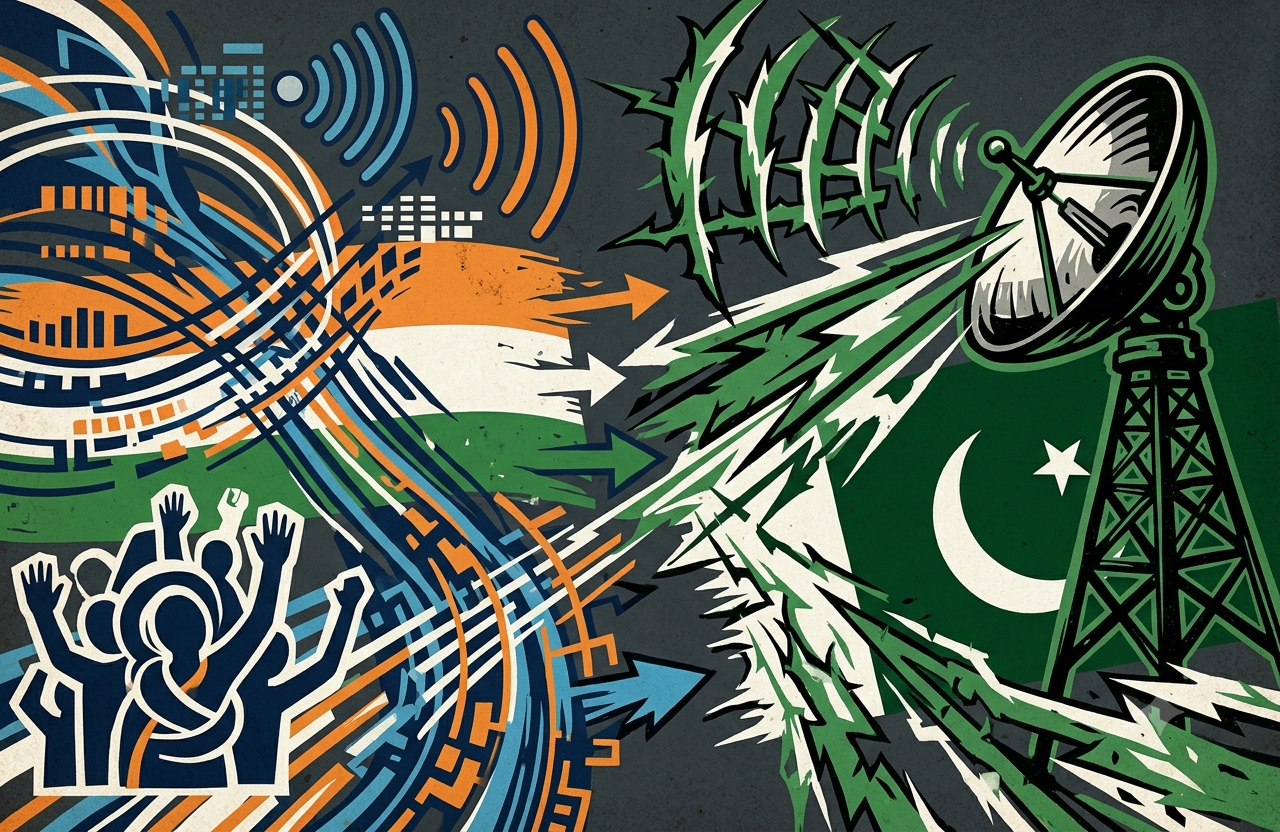
Manufacturing Instability as Strategy: Pakistan’s Dangerous Game in Afghanistan
Idrees Aftab
Pakistan’s attempt to cause instability in Afghanistan, aimed at securing strategic influence and external financial support, could ultimately backfire.
Blending the Past with the Present: Nalanda as India’s Peaceful Outreach as a Major Knowledge Hub
Mohammed Badrul Alam
Nalanda’s revival connects India’s ancient intellectual heritage with its contemporary ambitions in education, cultural diplomacy and regional cooperation. From its historic role as a centre of Asian scholarship to its modern international campus, Nalanda offers a platform for knowledge exchange, interdisciplinary learning and India’s wider engagement with Asia and the Global South.
India's Central Asian Calculus: The Bishkek Summit as a Strategic Platform for a Multi-vector Partnership
Anusua Ganguly, Jason Wahlang
The 2026 SCO Summit solidified India's use of the platform to advance its multi-dimensional ties with Central Asia, highlighting shared regional objectives and India's growing role as an alternative strategic partner.