

Issue Briefs

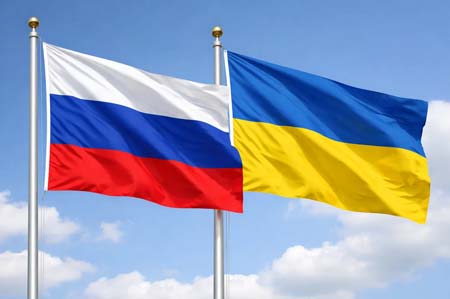
Russia’s Odessa Drive: Geopolitical Imperatives and Competing Visions
Russia’s intensified strikes on Odessa highlight its bid to neutralise Ukraine’s maritime lifeline and assert dominance in the Black Sea. Rooted in historical claims and NATO security fears, Moscow’s campaign threatens Ukraine’s economy, global food security, and regional stability, while exposing the limits of international institutions.
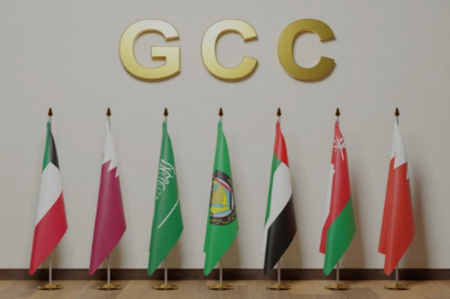
Structural Constraints and Strategic Inertia: Rethinking Gulf Security After Israel’s Doha Attack
This Issue Brief analyses the structural limitations of the Gulf security framework in light of Israel’s unprecedented attack in Doha on 9 September, targeting Palestinian Hamas leadership. While the attack marked a dangerous escalation of Tel Aviv’s regional adventurism, it also exposed the enduring structural weaknesses of the Gulf’s security architecture which has been defined by entrenched dependency on the United States.
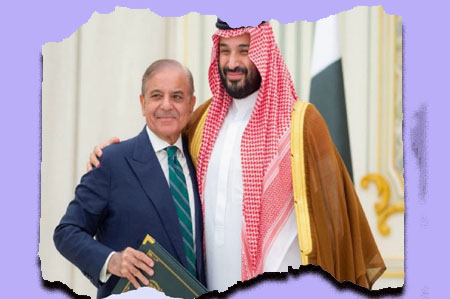
Beyond Symbolism: Can Pakistan Become West Asia’s Net Security Stabiliser?
This issue brief explores whether Pakistan can evolve from a traditional “security contractor” into West Asia’s net security stabiliser. The September 17, 2025, Saudi-Pakistan Strategic Mutual Defence Agreement marks a pivotal moment, formalising decades of military cooperation between the two countries. Historically, Pakistan has trained Gulf forces, guarded monarchies, and provided military personnel, often in transactional arrangements....
Books/Journals
You haven’t created any frontpage content yet.
Congratulations and welcome to the Drupal community.
Drupal is an open source platform for building amazing digital experiences. It’s made, used, taught, documented, and marketed by the Drupal community. Our community is made up of people from around the world with a shared set of values, collaborating together in a respectful manner. As we like to say:
Come for the code, stay for the community.
Get Started
There are a few ways to get started with Drupal:
- User Guide: Includes installing, administering, site building, and maintaining the content of a Drupal website.
- Create Content: Want to get right to work? Start adding content. Note: the information on this page will go away once you add content to your site. Read on and bookmark resources of interest.
- Extend Drupal: Drupal’s core software can be extended and customized in remarkable ways. Install additional functionality and change the look of your site using addons contributed by our community.
Next Steps
Bookmark these links to our active Drupal community groups and support resources.
- Global Training Days: Helpful information for evaluating Drupal as a framework and as a career path. Taught in your local language.
- Upcoming Events: Learn and connect with others at conferences and events held around the world.
- Community Page: List of key Drupal community groups with their own content.
- Get support and chat with the Drupal community on Slack or DrupalChat. When you’re looking for a solution to a problem, go to Drupal Answers on Stack Exchange.


Comments
AJK at the Boiling Point: Broken Promises Ignite Unrest
Idress Aftab
The so-called Azad Jammu and Kashmir (AJK) is witnessing growing political unrest as long-standing grievances over governance, representation, and basic rights continue to intensify.
Strait of Hormuz, Iran Crisis and India: Why it matters?
Mohammed Badrul Alam
As conflict between the United States, Israel, and Iran intensifies, the Strait of Hormuz – the world's most critical energy chokepoint – has emerged as the focal point of a growing geopolitical and economic crisis. This article examines how disruptions in the Persian Gulf threaten global oil and gas supplies, destabilize international shipping networks, and threatens a wider regional conflict extending to the Red Sea.
A Region on the Edge: The Deepening Governance Crisis in PoJK
Syed Eesar Mehdi
This comment analyses the escalating 2026 crisis in Pakistan-occupied Jammu and Kashmir (PoJK). Driven by the Joint Awami Action Committee, widespread economic grievances over inflation and resource exploitation have transformed into a powerful political movement. This systemic collapse of public trust directly challenges Pakistan’s governance and regional narrative.