CPS Launches Peace Dialogue; Hosts Special Talk by Sri Lankan High Commissioner H.E. Mahishini Colonne
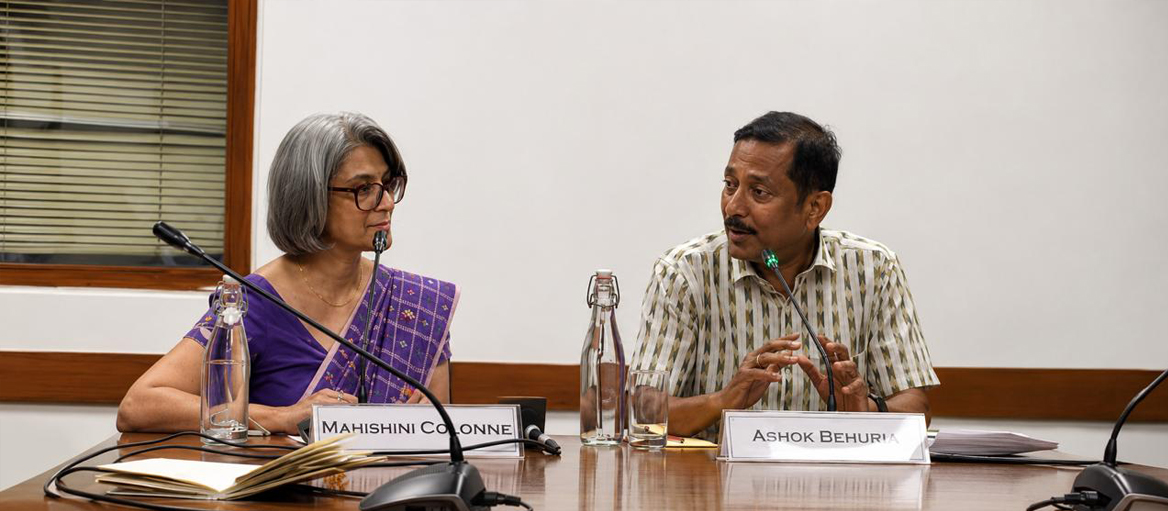
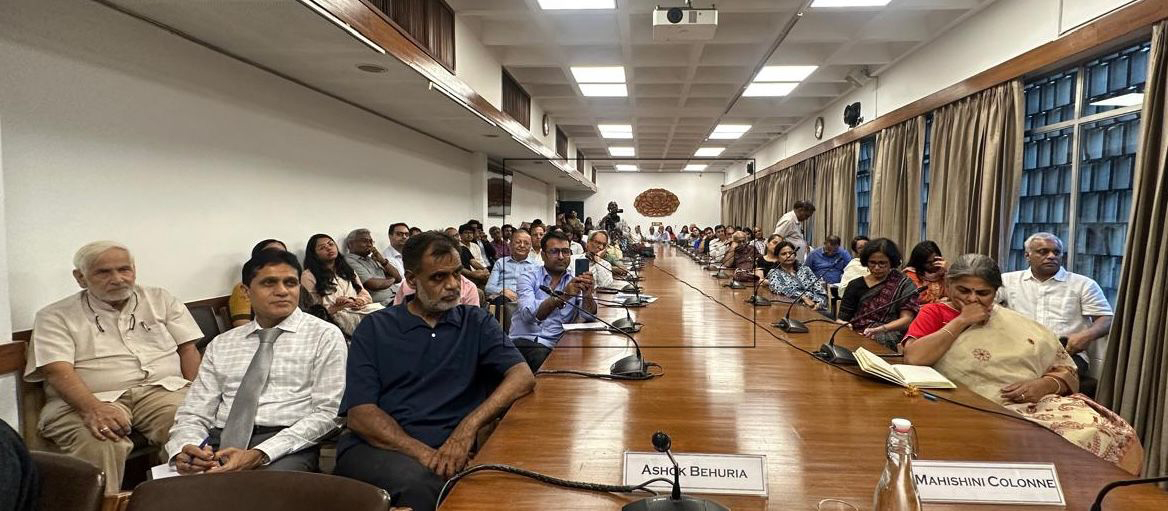
The Centre for Peace Studies (CPS), New Delhi, in collaboration with the India International Centre (IIC), hosted a special talk by H.E. Mahishini Colonne, High Commissioner of Sri Lanka to India, on 10 July 2026 at the India International Centre, New Delhi. Titled “Calm Waters, Rising Tide: Stability as the Foundation for Indian Ocean Growth,” the event was chaired by Dr Ashok Behuria, Chairman of the Centre for Peace Studies. With this CPS launched its “Peace Dialogue: Shared Risks to Shared Futures”.
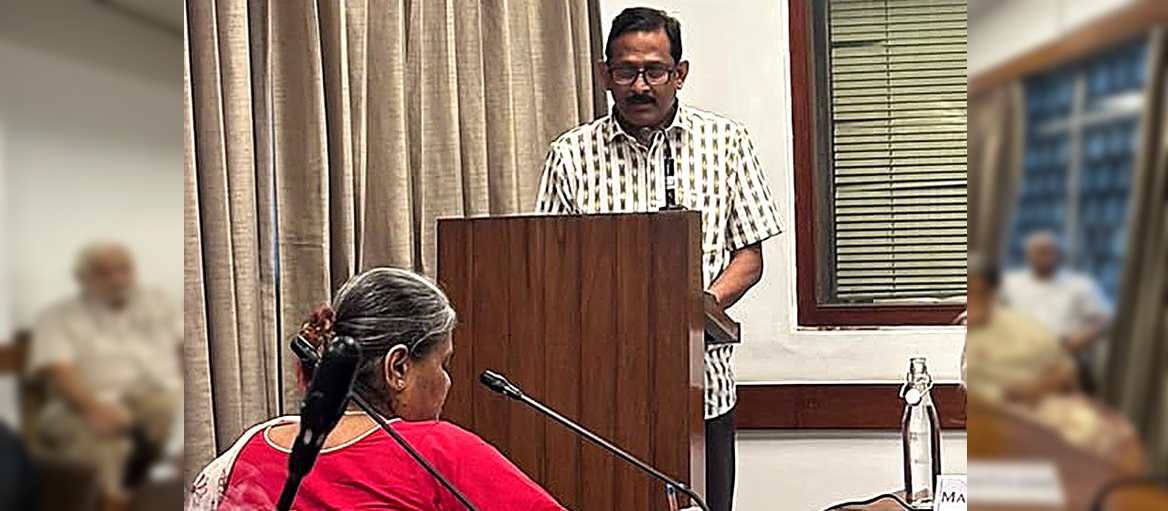
In his opening remarks, Dr Behuria underscored the centrality of the Indian Ocean to the region’s shared prosperity. “The Indian Ocean has connected our societies for centuries. It has carried trade, ideas, cultures, and people across continents. Today, it remains one of the world’s most important strategic and economic regions. At the same time, it faces challenges that no country can tackle alone—maritime security, climate change, disruptions to trade, natural disasters, and growing geopolitical competition.”
Emphasising the importance of cooperative peacebuilding, Dr. Behuria called for the peace dialogue to move beyond zero-sum thinking in addressing maritime security and regional geopolitics. He remarked that “calm waters” should not merely be understood as the absence of conflict, but as the outcome of sustained cooperation, trust, and collective stability among the countries of the Indian Ocean.
“This dialogue we are launching today matters deeply. It matters not just to the diplomats and strategists in this room, but to the fishermen on distant coasts, the port workers, the small businesses, and the millions living in coastal communities across the Indian Ocean rim,” Dr Behuria said, adding, “It is the quiet tide that lifts all boats. To navigate the future, we must anchor ourselves in the wisdom of the past and the courage of visionaries who came before us.”
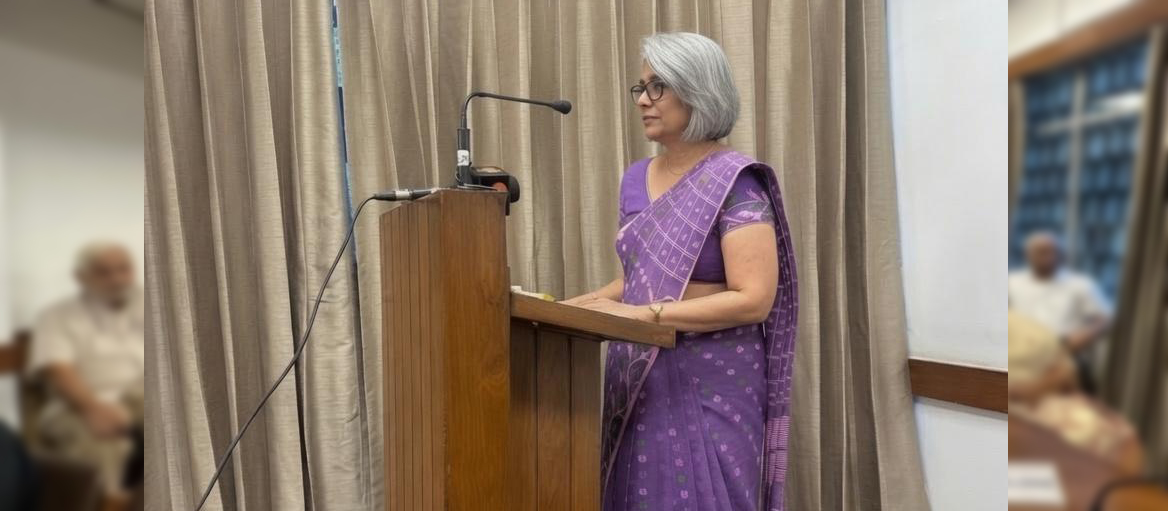
In her keynote address, H.E. Mahishini Colonne presented a comprehensive assessment of the evolving strategic, economic, and civilisational significance of the Indian Ocean and highlighted the importance of India-Sri Lanka cooperation in fostering regional peace, stability, and prosperity. She traced the centuries-old civilisational ties between India and Sri Lanka, particularly their shared Buddhist heritage, while acknowledging India’s support to Sri Lanka during periods of crisis, including the economic downturn of 2022.
The High Commissioner stressed that the Indian Ocean remains indispensable to humanity, highlighting its critical role in sustaining global economy. “Around eighty per cent of the world’s seaborne oil trade passes through this ocean and its chokepoints. Over five trillion dollars in trade transits it annually. Nearly one third of humanity lives in countries bordering its shores.”
From Sri Lanka’s perspective, she argued, the ocean was not merely a strategic theatre but a lifeline upon which the country’s economic prosperity and future depend. Consequently, ensuring open, secure, and predictable sea lanes is a shared regional responsibility. “From where Sri Lanka sits, however, there is another way of looking at this ocean. And that is – as a shared neighbourhood. Neighbourhoods have a very simple logic. When one household prospers, the whole street benefits. When one household faces difficulty, neighbours feel the consequences,” she said, asking, “The question before us is not simply who will shape the Indian Ocean. It is what kind of Indian Ocean we wish to shape – one defined by rivalry, or one characterised by trust, by openness and shared prosperity.”
Addressing contemporary security challenges, the H.E. Calonne emphasised that maritime security is now multi-dimensional and not limited to naval security, as submarine cable networks, digital infrastructure, and global data flows are increasingly in the crosshairs. Referring to recent developments in the Red Sea and tensions surrounding the Strait of Hormuz, she explained how regional disruptions have had cascading effects on shipping, energy supplies, remittances, trade, and broader economic stability.
“When commercial shipping came under sustained attack in the Red Sea, what appeared at first to be a regional security challenge quickly became a global economic issue. Ships were diverted around the Cape of Good Hope. Voyages became longer. Freight rates increased significantly. Supply chains slowed. Egypt’s Suez Canal revenue, which reached a record $10.25 billion in 2023, collapsed to under four billion dollars in 2024.”
Highlighting the importance of geography, trade, and people-to-people ties as the pillars of regional cooperation, the High Commissioner stressed the need for collective efforts to make the Indian Ocean an ocean of peace. She said eloquently:
“Peace in this ocean cannot, I think, be declared into existence. It must be built – through institutions, through law, through the daily, patient work of states that understand what the alternative costs. What must replace outdated instruments therefore, is not another declaration. It is, perhaps, architecture. And India is, without question, its most important builder.”
She also identified new areas of cooperation, such as port connectivity, energy security, renewable energy, digital integration, and economic connectivity. She further raised concerns about climate change, rising ocean temperatures, and the threat to the blue economy, all of which pose serious challenges to the future of the Indian Ocean. Stressing that ocean health and ocean stability were interdependent, she highlighted the need for greater cooperation through institutions like the Indian Ocean Rim Association (IORA) and BIMSTEC to build ocean governance, environmental sustainability, and economic resilience.
Her speech was followed by an animated discussion on issues raised by Her Excellency, where she elaborated on certain points like state of bilateral educational ties, her perspective on regional cooperation and future of bilateral relations.
The ev
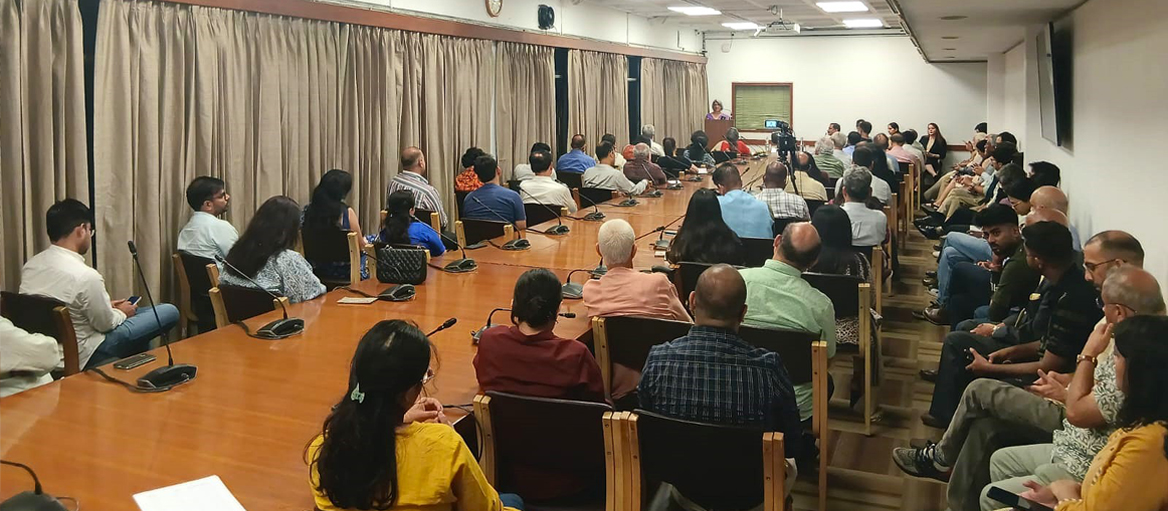
ent was attended by members of the CPS Governing Body, including Prof. Saleem Kidwai, Dr Smruti S. Pattanaik, Mr Miran Punjabi, and Ms Gurleen Kaur, as well as members of the Research Advisory Council, including Professor Jajati K. Pattanaik, Professor Rajesh Kharat, and Dr Uttam Sinha. The programme witnessed wide participation from scholars, policymakers, academics, and representatives of the media.
This report has been prepared by Faiza Rizwan, a Junior Research Analyst at the Centre for Peace Studies, New Delhi.
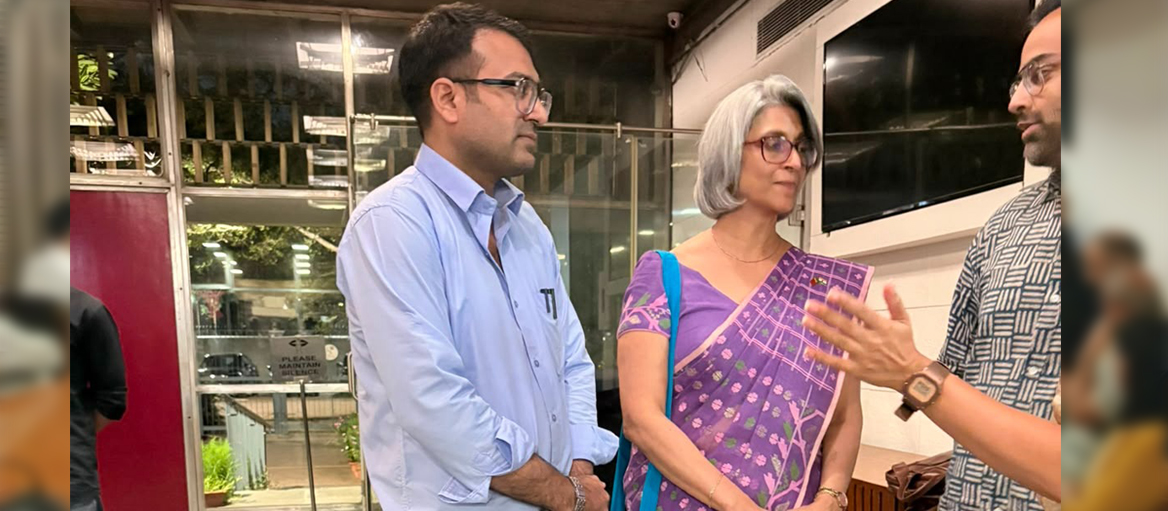
| Some of the moments captured during the event. | |
![]() |
![]()
|
![]()
|
![]()
|
![]()
|
![]()
|