
Issue Briefs


Water, Terror, and Transborder Realities: Reassessing the Indus Waters Treaty
This issue brief analyses the strategic obsolescence of the 1960 Indus Waters Treaty against the backdrop of Pakistan's cross-border terrorism, severe climate stress, and domestic water mismanagement. It highlights the immense developmental costs borne by Jammu and Kashmir, justifying India’s decision to condition future hydro-cooperation on regional security and ecological realities.
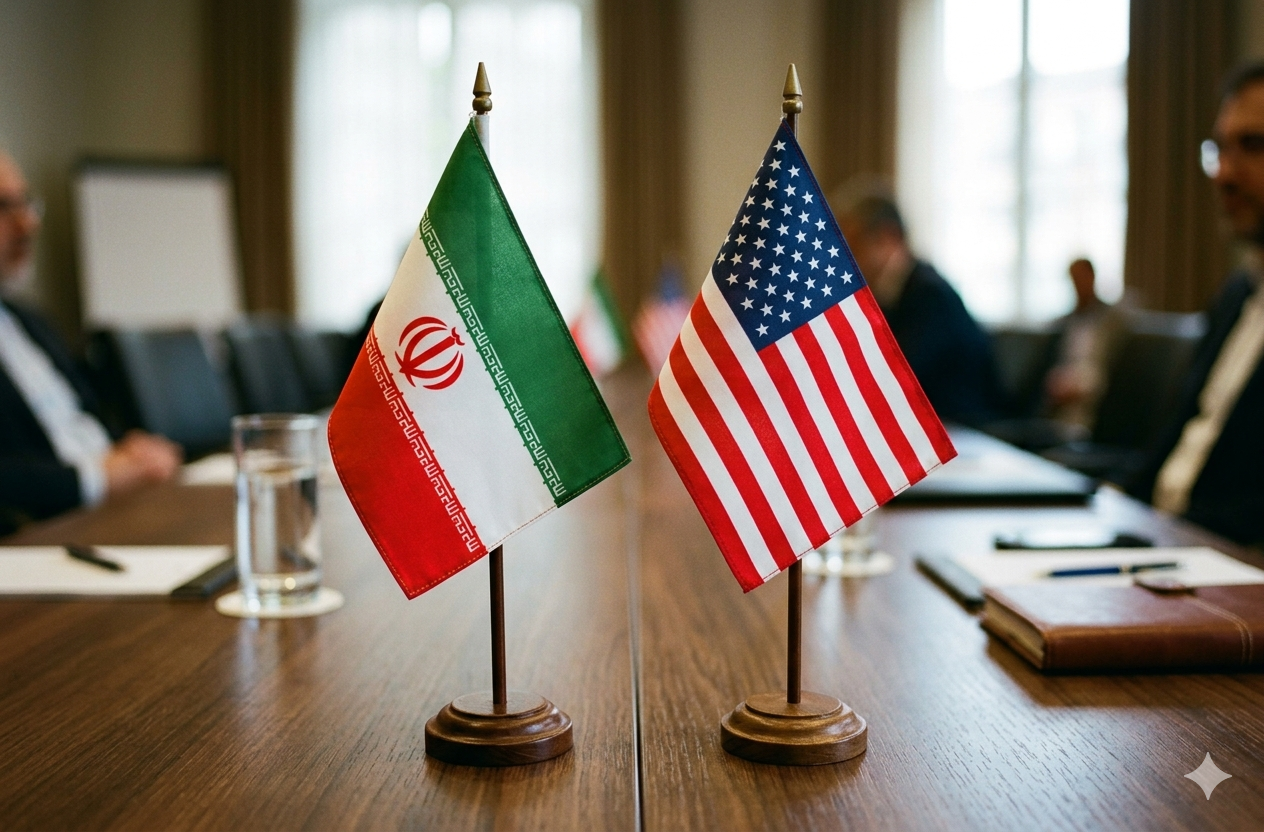
The Iran-US Memorandum of Understanding: Prospects for Peace and the Challenges of Implementation
The technical negotiations at the Lake Lucerne Summit in Switzerland, which commenced on 21 June 2026, mark a critical operational step in translating the historic Iran-United States Memorandum of Understanding (MoU) into a permanent security framework. Led by US Vice President JD Vance and Iran’s Chief Negotiator Muhammad Bagher Ghalibaf, these talks aim to establish concrete mechanisms for the 14-point MoU signed on 17 June.

India’s European Pivot: From Engagement to Structural Alignment
Modi’s 2026 European tour deepened India–Europe ties through landmark technology, trade, and green energy partnerships. Building on recent FTAs, these engagements embed India into Europe’s strategic architecture, making the relationship more resilient and positioning New Delhi as a pivotal actor in shaping the next international order.
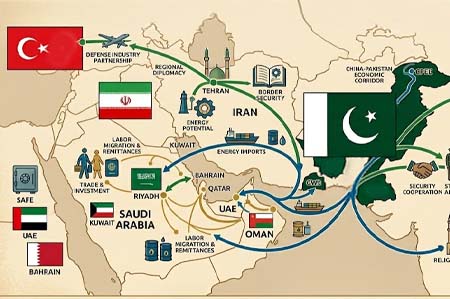
The Paradox of the Periphery: Pakistan’s Strategic Entanglement in the Middle East
Pakistan’s Middle East strategy secures short-term gains—Saudi deposits, defence pacts, and mediation roles—yet its fragile economy and political dysfunction trap it in a “perpetual periphery.” Central enough to matter but too weak to consolidate influence, Islamabad’s diplomacy remains transactional, survivalist, and strategically unsustainable.