
Issue Briefs

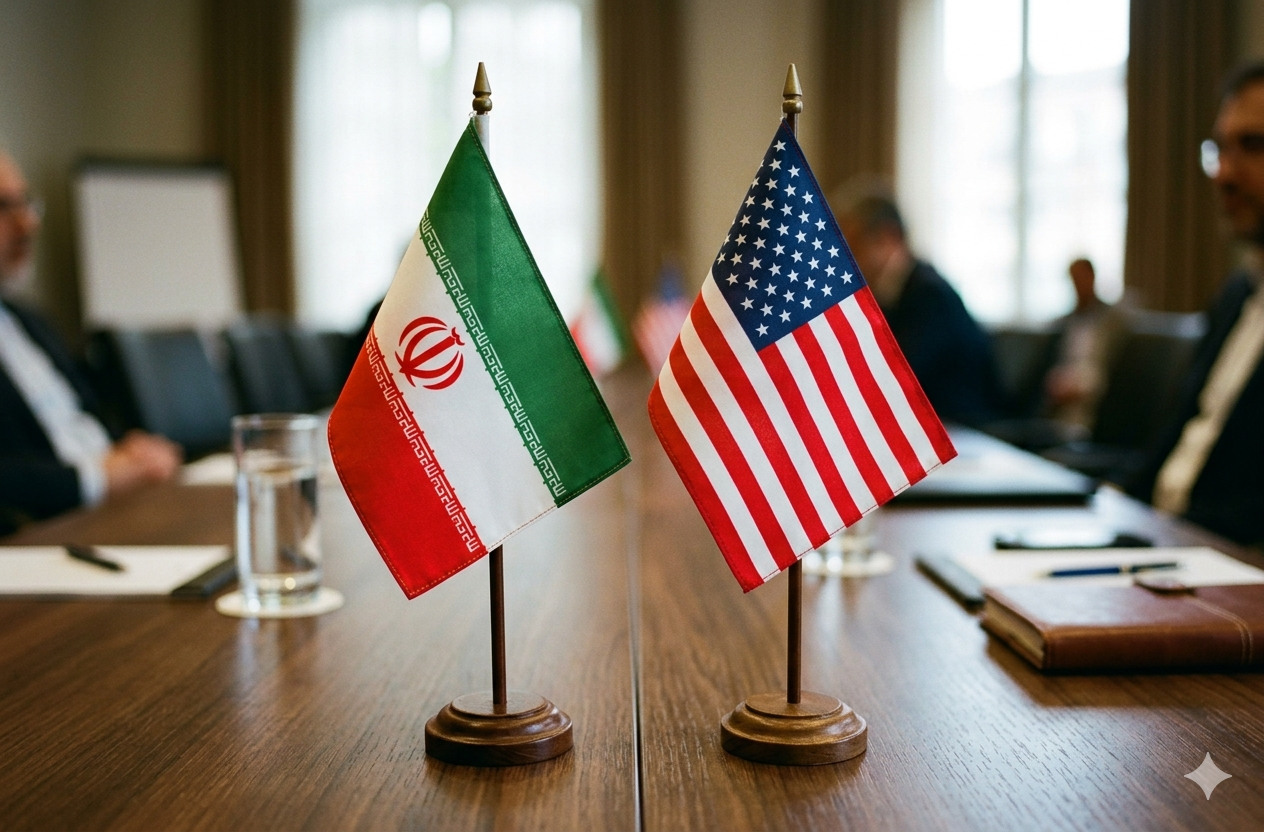
The Iran-US Memorandum of Understanding: Prospects for Peace and the Challenges of Implementation
The technical negotiations at the Lake Lucerne Summit in Switzerland, which commenced on 21 June 2026, mark a critical operational step in translating the historic Iran-United States Memorandum of Understanding (MoU) into a permanent security framework. Led by US Vice President JD Vance and Iran’s Chief Negotiator Muhammad Bagher Ghalibaf, these talks aim to establish concrete mechanisms for the 14-point MoU signed on 17 June.

India’s European Pivot: From Engagement to Structural Alignment
Modi’s 2026 European tour deepened India–Europe ties through landmark technology, trade, and green energy partnerships. Building on recent FTAs, these engagements embed India into Europe’s strategic architecture, making the relationship more resilient and positioning New Delhi as a pivotal actor in shaping the next international order.
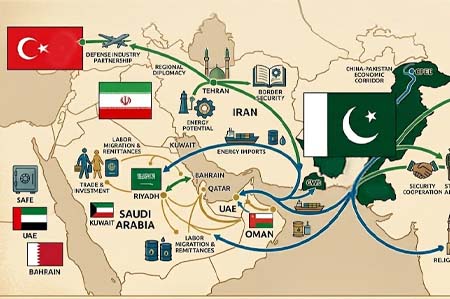
The Paradox of the Periphery: Pakistan’s Strategic Entanglement in the Middle East
Pakistan’s Middle East strategy secures short-term gains—Saudi deposits, defence pacts, and mediation roles—yet its fragile economy and political dysfunction trap it in a “perpetual periphery.” Central enough to matter but too weak to consolidate influence, Islamabad’s diplomacy remains transactional, survivalist, and strategically unsustainable.

Impact of ‘Operation Sindoor’ on Pakistan’s Fragile Economic Recovery
Pakistan’s economic crisis has reached a breaking point, with inflation exceeding 40% and foreign exchange reserves falling to critical levels.
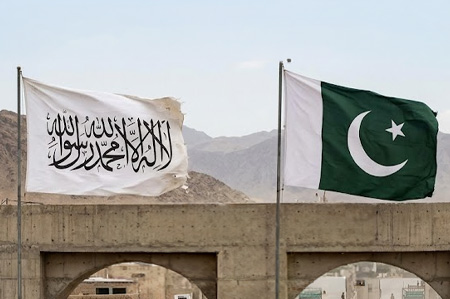
The Changing Contours of Pakistan-Afghanistan Relations
Once strategic allies, Pakistan and Afghanistan are now engaged in direct military conflict. Despite Chinese mediation, cross-border airstrikes and TTP militancy have pushed bilateral relations to an unprecedented historic low.

The Geopolitical Logic of the Ongoing Afghanistan–Pakistan War
This Issue Brief examines how the Tehrik-e-Taliban Pakistan (TTP) evolved from a regional strategic asset into an autonomous insurgent threat, fuelling a cycle of blame and instability between Afghanistan and Pakistan.

Russia’s Odessa Drive: Geopolitical Imperatives and Competing Visions
Russia’s intensified strikes on Odessa highlight its bid to neutralise Ukraine’s maritime lifeline and assert dominance in the Black Sea. Rooted in historical claims and NATO security fears, Moscow’s campaign threatens Ukraine’s economy, global food security, and regional stability, while exposing the limits of international institutions.
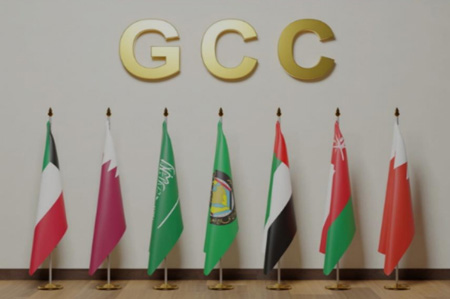
Structural Constraints and Strategic Inertia: Rethinking Gulf Security After Israel’s Doha Attack
This Issue Brief analyses the structural limitations of the Gulf security framework in light of Israel’s unprecedented attack in Doha on 9 September, targeting Palestinian Hamas leadership. While the attack marked a dangerous escalation of Tel Aviv’s regional adventurism, it also exposed the enduring structural weaknesses of the Gulf’s security architecture which has been defined by entrenched dependency on the United States.
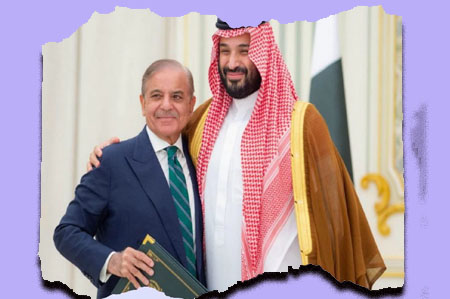
Beyond Symbolism: Can Pakistan Become West Asia’s Net Security Stabiliser?
This issue brief explores whether Pakistan can evolve from a traditional “security contractor” into West Asia’s net security stabiliser. The September 17, 2025, Saudi-Pakistan Strategic Mutual Defence Agreement marks a pivotal moment, formalising decades of military cooperation between the two countries. Historically, Pakistan has trained Gulf forces, guarded monarchies, and provided military personnel, often in transactional arrangements....
From Protest to Power: Can JNP reshape Bangladesh’s Political Future?
The Jatiya Nagorik Party (JNP)— born out of the Students Against Discrimination (SAD) movement, that steered the July 2024 uprising in Bangladesh— is seeking to break the decades-long dominance of the Awami League and BNP, and advocating for a Second Republic through constitutional reform and centrist, pluralist governance. As it navigates entrenched power structures and competing opposition forces, it faces both great promise and uncertain challenges in its quest to reshape the nation’s political future.